

Views: 212 Author: Weishi Sheets Publish Time: 2026-08-01 Origin: Site
Content Menu
● Side-by-Side Material Comparison
● Heat, Moisture, and Durability
>> Choose Epoxy Fiberglass Sheet When:
>> Choose Phenolic Sheet When:
● Real-World Manufacturing Insight
● Recommendation by Application
● FAQ
>> 1. Which material is better for CNC machined electrical parts?
>> 2. Is phenolic sheet easier to machine than epoxy fiberglass sheet?
>> 3. Can FR4 be used as an electrical insulating part?
>> 4. Which material handles moisture better?
>> 5. When should I choose phenolic sheet instead?
>> 6. Are all phenolic grades suitable for electrical insulation?
When engineers choose materials for CNC machined electrical parts, the decision usually comes down to two things: electrical performance and machining reliability. In this comparison, epoxy fiberglass sheet and phenolic sheet are both proven options, but they serve different priorities in real production environments.
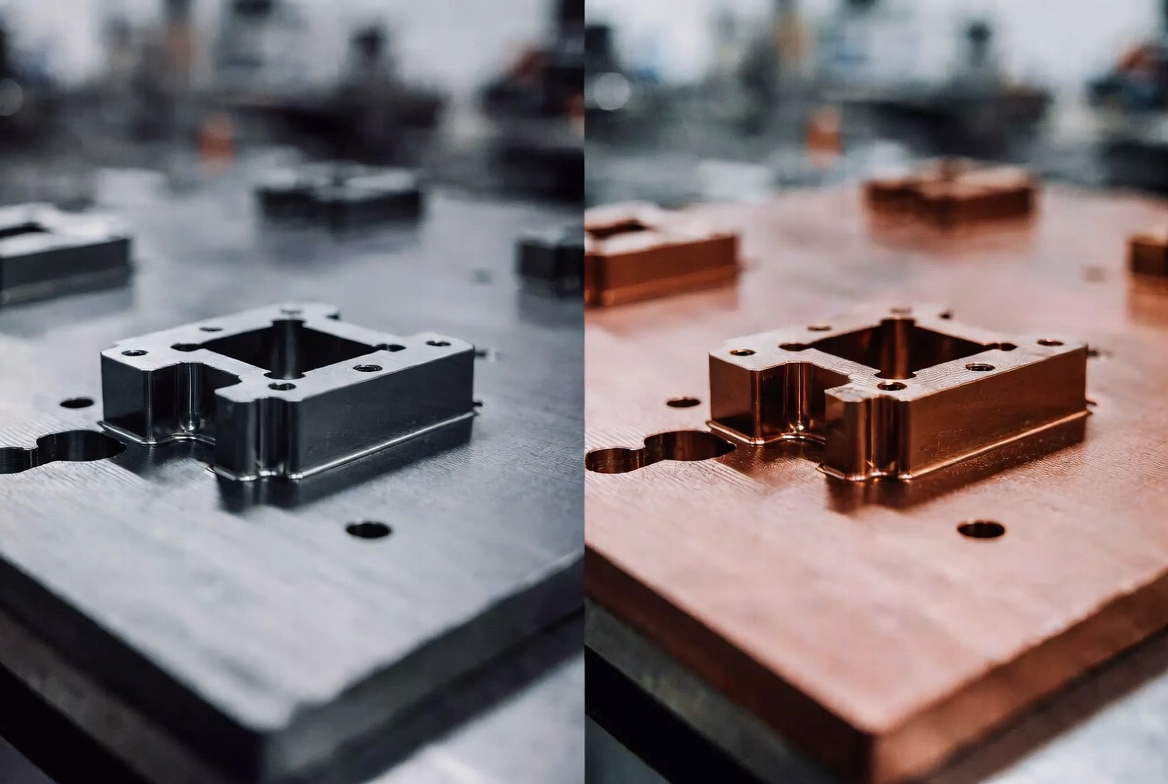
In my experience working with insulation materials for industrial customers, the "best" material is rarely the one with the highest headline number. It is the one that balances dielectric strength, thermal stability, dimensional accuracy, machining behavior, and cost for the end use.
For CNC shops and electrical equipment manufacturers, this matters even more because small material differences can affect:
- Cutting quality.
- Edge chipping.
- Moisture behavior.
- Assembly tolerance.
- Long-term insulation reliability.
Epoxy fiberglass sheet is a glass-fiber-reinforced laminate made by impregnating woven fiberglass cloth with epoxy resin and pressing it into rigid sheet form. Common industrial grades include FR4, G10, and G11/FR5, which are widely used in electrical insulation and CNC machined components.
Its biggest strengths are high dielectric performance, strong mechanical stability, and low moisture absorption, especially in demanding environments. FR4 adds flame retardancy, while G10 and G11 are often selected where mechanical strength and temperature resistance are prioritized.
Phenolic sheet is a laminated composite made from paper, linen, canvas, or glass reinforcement combined with phenolic resin under heat and pressure. Different grades such as LE, CE, XX, and XXX are used for electrical and mechanical parts, with each grade offering a different balance of machinability and performance.
Phenolic is valued for good insulation, stable machining behavior, and cost-effectiveness, especially in parts such as terminal boards, spacers, gear components, and structural insulating pieces.
| Property | Epoxy Fiberglass Sheet | Phenolic Sheet |
|---|---|---|
| Electrical insulation | Excellent, especially in FR4, G10, G11 grades | Good, with electrical grades like XXX and LE |
| Moisture resistance | Very low water absorption | Generally lower than epoxy fiberglass in humid or wet service |
| Mechanical strength | Very high, especially G10 and G11 | Strong, but more grade-dependent |
| Flame resistance | FR4 is flame-retardant | Some grades are flame-retardant, but performance varies |
| CNC machinability | Machinable, but abrasive and tool-wearing | Usually easier to machine cleanly |
| Dimensional stability | Excellent under load and humidity | Good, especially linen and canvas grades |
| Typical cost position | Usually higher | Often more economical |
For electrical parts, epoxy fiberglass sheet generally has the edge when insulation reliability is critical. FR4 and G10 are known for excellent dielectric strength and stable performance in dry, wet, and humid conditions.
Phenolic sheet can still perform well in electrical applications, especially in terminal boards, switchgear components, and insulation panels. However, some phenolic grades are not recommended for primary electrical insulation, so grade selection is essential.
This is where the decision often becomes practical rather than theoretical. Epoxy fiberglass sheet is strong, but it is also abrasive, which means carbide or diamond tooling is often preferred, along with careful dust control and controlled cutting parameters.
Phenolic sheet is usually easier to machine. Many machinists prefer it for production parts because it can deliver cleaner edges and smoother processing in general-purpose CNC work. Linen and canvas grades also offer good finish quality for intricate features.
- Use sharp carbide tooling for epoxy fiberglass sheet.
- Keep feeds and speeds conservative to reduce delamination and chipping.
- Use strong dust extraction for both materials.
- For phenolic, dry machining is often preferred.
- Use backing support on thin parts to improve edge quality.
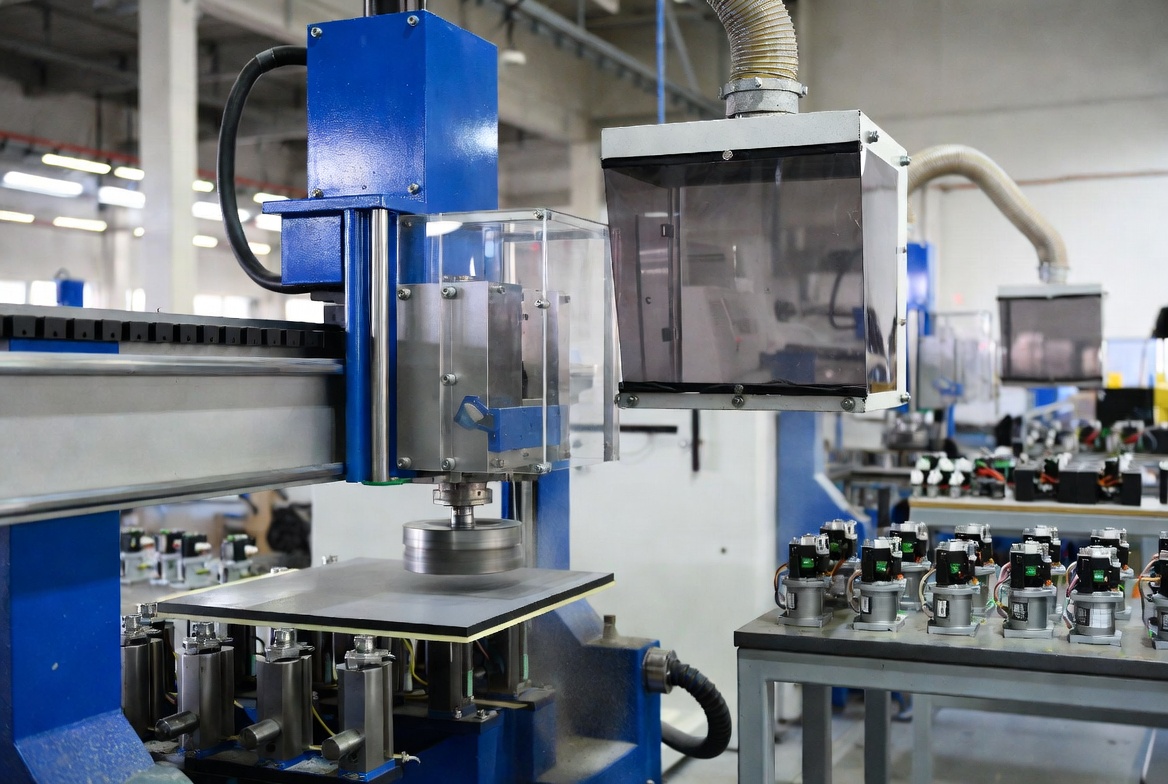
If the part will face humidity, oil mist, thermal cycling, or long service life, epoxy fiberglass sheet usually provides a safer margin. FR4 and G10 are widely used because they hold their structure and electrical properties well under harsh operating conditions.
Phenolic sheet can also handle heat well, and some grades are used in demanding industrial systems. But in high-moisture or higher-reliability electrical environments, it is usually not the first choice unless the grade and application are carefully matched.
For many buyers, phenolic sheet wins on cost efficiency. It is often a smart option when the part must be insulated, reasonably strong, and economical at scale.
Epoxy fiberglass sheet usually makes more sense when the project demands higher performance, tighter stability, and better long-term consistency. In electrical equipment manufacturing, that extra performance often justifies the higher material cost.
- The part needs high electrical insulation.
- The environment includes moisture, heat, or vibration.
- You need FR4, G10, or G11 for CNC machined electrical components.
- The application is safety-critical or long-life.
- The project needs a cost-controlled insulating part.
- Machining simplicity and turnaround matter.
- The part is a terminal board, fixture, spacer, or structural insulator.
- The grade is clearly defined for the service condition.
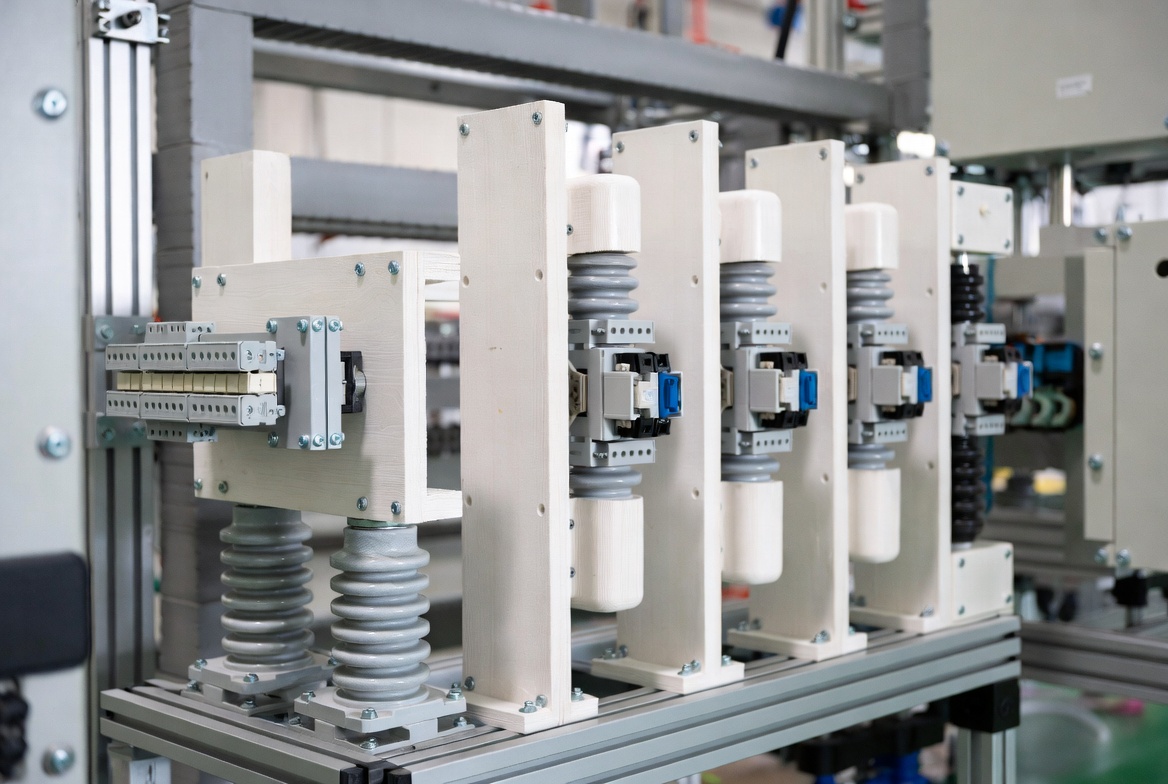
A simple selection rule works well in practice:
1. Start with the operating environment.
2. Check whether the part is electrical, structural, or both.
3. Confirm temperature and humidity exposure.
4. Evaluate CNC complexity and tolerance needs.
5. Decide whether cost or performance is the leading factor.
For example, a switchgear spacer in a humid factory may be better suited to epoxy fiberglass sheet. A general insulating jig for a controlled workshop may be better suited to phenolic sheet.
From a manufacturing perspective, the best results come when the material is matched to the machining process from the start. At Guangdong Weishi New Materials Co., Ltd., the most successful projects usually begin with a clear definition of the working voltage, load condition, thickness, and final CNC tolerance requirement. This avoids over-specifying the material and keeps cost under control.
In many electrical part projects, buyers initially ask for the "strongest" board. In practice, the better question is: Which sheet gives the required insulation performance with the best machining efficiency and service life? That question often leads to a more profitable design and fewer production issues.
| Application | Better Fit |
|---|---|
| High-voltage electrical insulation parts | Epoxy fiberglass sheet |
| Humid or moisture-prone environments | Epoxy fiberglass sheet |
| General CNC insulating parts | Phenolic sheet |
| Precision machined terminal components | Phenolic sheet or epoxy fiberglass, depending on duty level |
| Long-life industrial equipment parts | Epoxy fiberglass sheet |
| Cost-sensitive non-critical insulation | Phenolic sheet |
If your priority is maximum electrical reliability, moisture resistance, and mechanical stability, epoxy fiberglass sheet is usually the stronger choice. If your priority is machinability, cost efficiency, and adequate insulation for standard industrial parts, phenolic sheet is often the smarter option.
For CNC machined electrical parts, the right answer depends on the service condition, not just the material name. That is why working with a manufacturer that understands both insulation performance and precision processing is so important.
If you are selecting material for CNC machined electrical parts, send your drawing, working voltage, thickness, and target environment to your supplier first. A proper material recommendation at the beginning can reduce rework, shorten lead time, and improve final part reliability.
Epoxy fiberglass sheet is usually better for higher electrical performance, moisture resistance, and long-term stability, while phenolic sheet is often better for cost-sensitive standard parts.
Yes. Phenolic is generally easier to machine, while epoxy fiberglass is more abrasive and often needs harder cutting tools.
Yes. FR4 is widely used in electrical insulation and is valued for its flame resistance and strong dielectric performance.
Epoxy fiberglass sheet usually handles moisture better because of its low water absorption and stable electrical behavior in humid environments.
Choose phenolic sheet when you need a practical insulating part, reasonable strength, and lower cost, especially for terminal boards, fixtures, and general industrial components.
No. Some phenolic grades are better for mechanical use, while others are intended for electrical applications, so grade selection matters.
- [Phenolic Machining Services | Xometry]
- [Phenolics | American Micro Industries]
- [The Ultimate Guide to Phenolic Machining | AMI]
- [What is the Use of Epoxy Fiberglass Sheet? | SIDA]
- [Material Processing Tips on CNC Machining FR4 Epoxy Sheet]


