

Views: 277 Author: Weishi Sheets Publish Time: 2026-08-07 Origin: Site
Content Menu
>> 2. Impregnate with epoxy resin
>> 3. Pre-cure or dry the prepreg
>> 5. Hot press under pressure
● Quality Factors Buyers Should Check
● How to Specify the Right Sheet
● Expert Notes for Better Performance
● Why Work With a Specialized Manufacturer
● FAQ
>> 1. What is epoxy sheet made of?
>> 2. What is the difference between FR4 and G10?
>> 3. Is epoxy sheet good for electrical insulation?
>> 4. Can epoxy sheet be machined?
>> 5. Which epoxy sheet is best for high heat?
Epoxy sheet is made by combining glass reinforcement with a thermosetting epoxy resin, then curing the material under controlled heat and pressure to form a rigid laminate with strong electrical insulation and mechanical performance. In industrial settings, the process is used to produce materials such as FR4, G10, and G11 epoxy fiberglass sheets, which are widely used in electrical, mechanical, and machining applications.
An epoxy sheet is a composite laminated material built from woven glass cloth and epoxy resin. The finished sheet is valued for its high dielectric performance, low moisture absorption, dimensional stability, and machinability, making it suitable for insulation parts, structural supports, and precision-processed components.
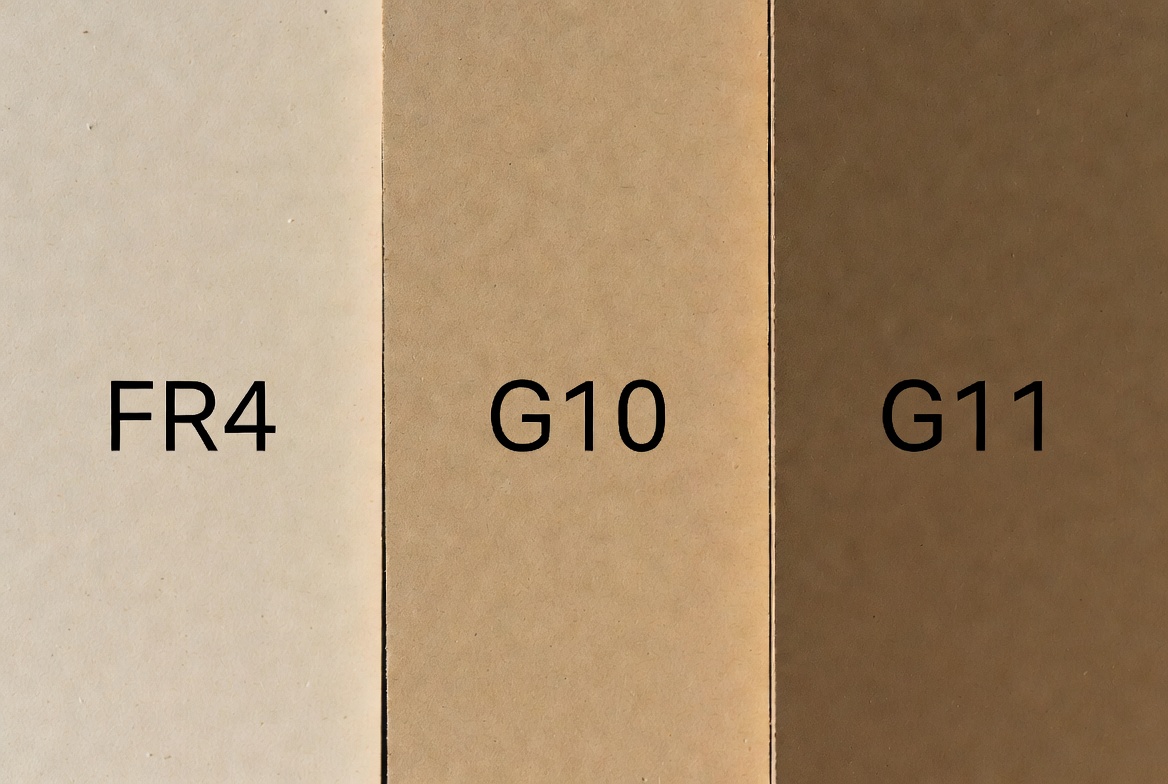
Different grades are designed for different performance levels. FR4 is commonly used for general electrical insulation, G10 offers stronger thermal endurance, and G11 is selected where higher heat resistance is required.
To understand how to make epoxy sheet, it helps to start with the raw materials. The quality of the final laminate depends heavily on these inputs.
- Glass cloth reinforcement: Provides tensile strength and dimensional stability.
- Epoxy resin system: Acts as the bonding matrix and delivers insulation performance.
- Curing agents and additives: Improve processing behavior, heat resistance, and final properties.
- Release liners or surface treatment materials: Help during pressing and finishing.
The balance between resin content and glass content affects stiffness, electrical properties, and machinability.
The industrial manufacturing process is straightforward in principle, but highly controlled in practice. Each step influences the final quality of the sheet.
Woven E-glass fabric is selected, cleaned, and inspected for uniform thickness and weaving quality. Consistent cloth quality matters because uneven fabric can create weak points in the laminate.
The glass cloth is saturated with epoxy resin so that the resin fully penetrates the fiber structure. Proper impregnation is essential for achieving stable insulation and mechanical strength.
The resin-impregnated cloth is partially cured or dried to create a manageable prepreg stage. This step helps control flow during pressing and prevents defects such as resin starvation or excessive bleed.
Multiple prepreg layers are stacked to reach the target thickness. The stack design is important because thickness, pressure response, and resin distribution must remain uniform throughout the laminate.
The stacked material is placed in a heated hydraulic press. Heat and pressure activate the epoxy cure reaction, bond the layers together, and consolidate the structure into a dense rigid sheet.
After curing, the sheet is cooled, released, trimmed, and cut to size. Final processing may include sanding, machining, drilling, or CNC cutting depending on the end-use requirement.

The value of epoxy sheet comes from process control, not just raw materials. If resin distribution is uneven, the sheet may show poor dielectric consistency, warping, or weak mechanical zones. If heat and pressure are not controlled correctly, the result may be delamination, voids, or reduced heat resistance.
For buyers, this means that two sheets with the same name may perform differently if the manufacturing discipline is not the same. That is why industrial customers should always evaluate density, dielectric strength, water absorption, flexural strength, and heat resistance before sourcing.
These three grades are often produced through a similar base process, but their application windows differ because of temperature rating and performance expectations.
| Grade | Typical Strength Profile | Heat Resistance | Common Use |
|---|---|---|---|
| FR4 | Balanced electrical and mechanical performance | Around 130°C service level | Electrical insulation, PCB-related support, industrial parts |
| G10 | Higher thermal endurance than FR4 | Around 150°C service level | Electrical components, mechanical insulation parts |
| G11 | Best high-temperature retention in this group | Around 180°C service level | Motors, high-heat electrical equipment, precision machined parts |
If your project needs standard insulation and good machinability, FR4 is often sufficient. If operating temperature is higher, G10 or G11 is usually the better engineering choice.
Epoxy fiberglass sheet is widely used across industries because it combines electrical insulation, chemical resistance, and mechanical strength in one material.
Typical applications include:
- Electrical insulation parts, such as spacers, barriers, and support plates.
- Electronic equipment, including insulating components and structural supports.
- Mechanical machining parts, where dimensional stability matters.
- Mold and fixture making, especially for precision industrial tooling.
- Industrial equipment, where moisture resistance and heat resistance are important.
A well-made epoxy sheet should not only look uniform; it should also perform consistently under electrical and mechanical stress. The most important inspection points include:
- Dielectric strength: Should remain stable across the sheet.
- Water absorption: Lower absorption usually means better insulation stability in humid environments.
- Flexural strength: Indicates resistance to bending and load.
- Machinability: Important for CNC cutting, drilling, and fabrication.
- Heat resistance: Critical for motor, switchgear, and power equipment applications.
Industry references show that epoxy fiberglass sheets are known for low moisture uptake, strong insulation, and good thermal stability, which is why they are widely used in electrical and industrial environments.
If you are purchasing or engineering epoxy sheet for a project, the best choice depends on operating temperature, electrical load, thickness, and fabrication method.
Use this simple selection logic:
1. Choose FR4 for general-purpose insulation and cost efficiency.
2. Choose G10 when you need better heat endurance and mechanical reliability.
3. Choose G11 for high-temperature or harsh-service environments.
4. Confirm thickness tolerance, sheet size, and machining requirements before ordering.
5. Ask for test data or material certification when the part is safety-critical.
From a manufacturing perspective, the best epoxy sheet is not simply the hardest one. It is the one that matches the application environment with the right balance of resin content, glass reinforcement, cure quality, and dimensional control.
In real industrial use, moisture resistance and heat retention often matter as much as raw strength. That is especially true for electrical equipment exposed to humidity, thermal cycling, or long operating hours.
For B2B buyers, sourcing from a specialist manufacturer reduces quality risk. A focused producer can offer stable resin systems, controlled pressing, custom thicknesses, precision machining, and better consistency across batches.
Guangdong Weishi New Materials Co., Ltd. supplies epoxy insulation materials including epoxy glass fiber sheet, FR4, G10, and G11, supporting industrial customers that need reliable electrical insulation and mechanical performance. Their product range is aligned with standard industrial rigid laminated sheet requirements used in electrical applications.
If your project requires a dependable epoxy sheet solution, the safest next step is to define your working temperature, insulation level, and machining needs first. Then request a grade recommendation and technical specification from a qualified manufacturer so the material matches your application from the start.
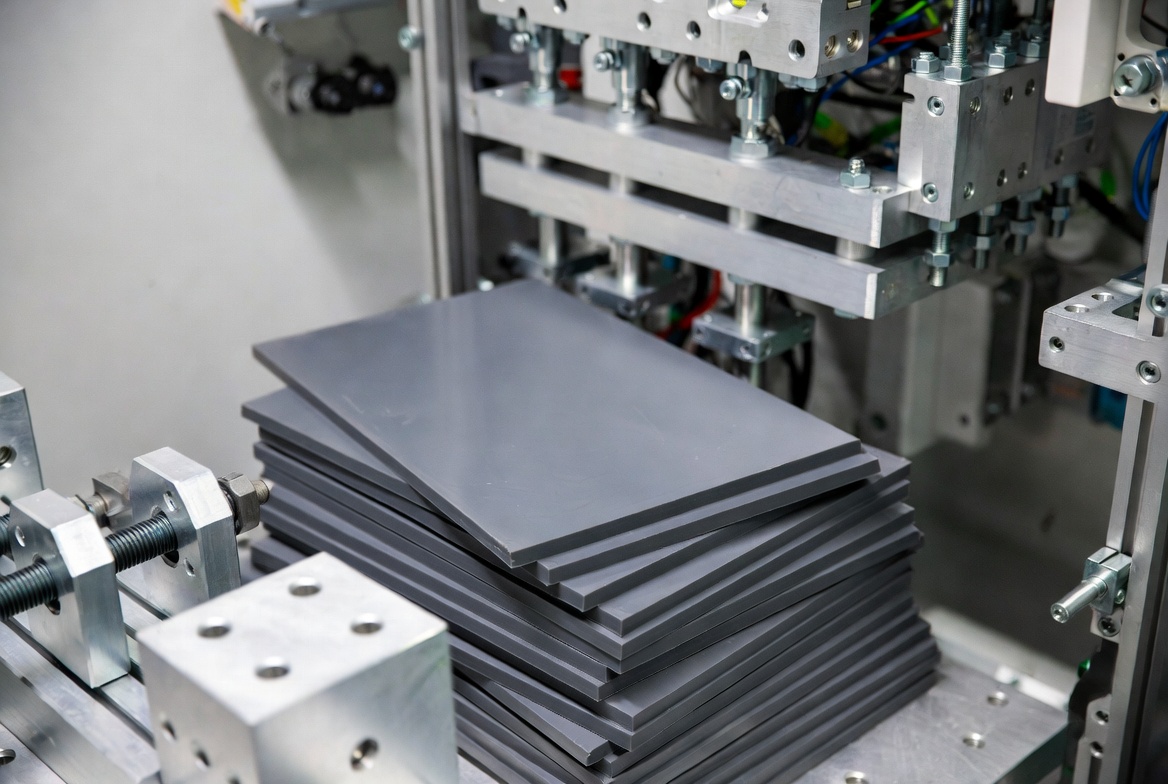
Epoxy sheet is made from woven glass cloth and epoxy resin, then cured under heat and pressure into a rigid laminate.
FR4 and G10 are both epoxy glass laminates, but G10 generally offers higher heat resistance than FR4.
Yes. Epoxy sheet is widely used for electrical insulation because it combines dielectric performance, low moisture absorption, and dimensional stability.
Yes. Epoxy laminates can be CNC-machined, drilled, tapped, and waterjet-cut into finished parts.
G11 is typically the best choice in this group for higher-temperature service.
1. [FR4 vs G10 vs G11 Epoxy Laminate Comparison Guide - SIDA]
2. [What is the Use of Epoxy Fiberglass Sheet? - SIDA]
3. [High definition Electrical Insulation Epoxy Resin Fiberglass ...]
4. [Best Epoxy Laminates for Your Project: FR4, G10, G11, or ...]
5. [Physical properties of epoxy fiberglass sheet: strength ...]
6. [EPGC308 Epoxy Sheet — Electrical Insulation Material]
7. [G-10/FR4 - USA Manufacturer - Current Inc]
8. [What is the use of epoxy fiberglass sheet?]
9. [Know Everything About 3240 Epoxy Sheet: Complete Guide]
10. [A Comparison of FR4, G10, and G11: Similarities and ...]
11. [EN 60893-3-2:2004 - Epoxy Laminated Sheets ...]
12. [GB/T 1303.4-2009 | Industrial rigid laminated (PDF English)]
13. [Comparing Epoxy Sheet with Fiberglass Laminates]
14. [Comprehensive Guide to IEC 60893-3: Specifications for ...]
15. [G-11 epoxy glass cloth laminated sheet]
16. [TECHNICAL REPORT - IEC 60893 Part 4 Typical values]
17. [Anti-static epoxy glass cloth laminated Sheet - FR4 Material]
18. [How Strong is FR4 Epoxy Glass Sheet as an Electrical ...]


