

Views: 291 Author: Weishi Sheets Publish Time: 2026-07-27 Origin: Site
Content Menu
● What Fiberglass Sheet Is Made Of
● Does Fiberglass Sheet Burn in Fire
>> Common heat-response patterns
● How Fiberglass Sheet Behaves Under Heat
● Application Scenarios That Matter
● How to Choose the Right Grade
● Safety and Misunderstandings
● Why Stable Manufacturing Matters
● FAQ
>> 1. Can fiberglass sheet catch fire?
>> 2. Is FR4 better than G10 for fire resistance?
>> 3. Does fiberglass sheet melt?
>> 4. Is fiberglass sheet safe for electrical insulation?
>> 5. How do I choose between FR4, G10, and G11?
Fiberglass sheet is widely used in electrical insulation, machinery, mold making, and industrial equipment because it offers a strong balance of heat resistance, electrical insulation, and mechanical strength. But one question comes up often: does fiberglass sheet burn?
The short answer is: the glass fiber itself does not burn, but the full sheet behavior depends on the resin system, additives, and application conditions. In real-world use, epoxy fiberglass sheet, FR4, G10, and G11 can perform very differently under heat, so choosing the right grade matters.
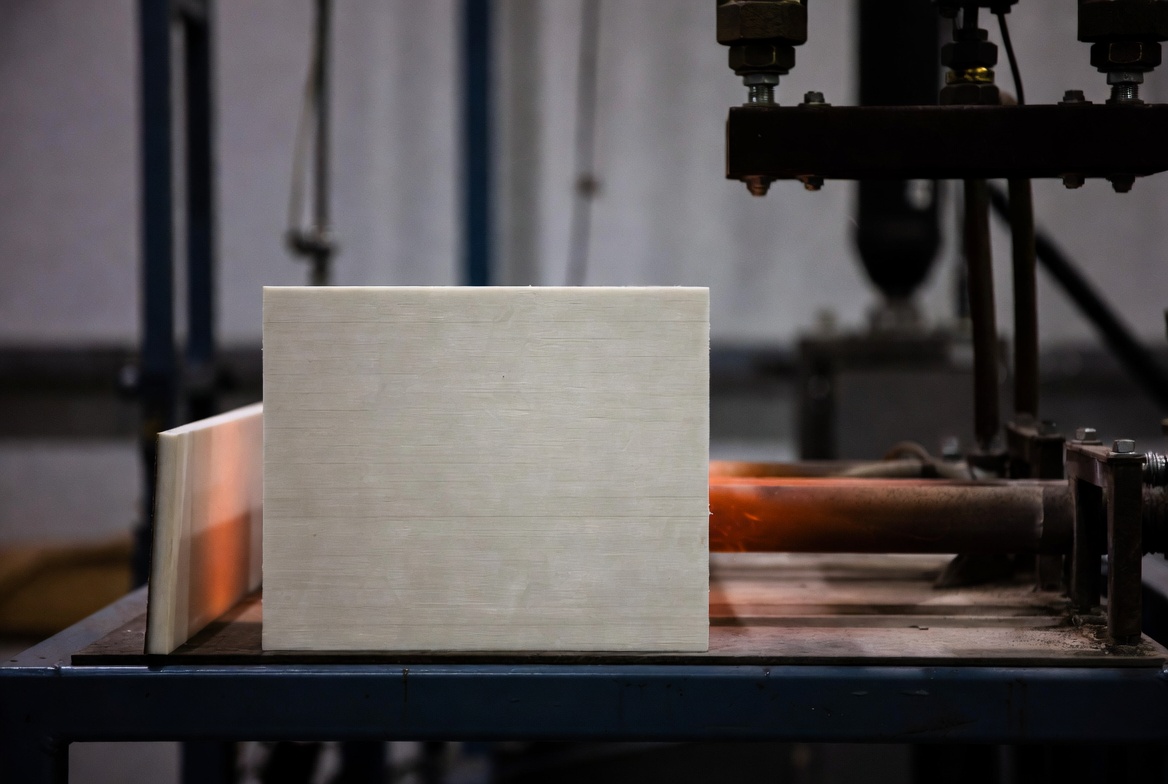
A fiberglass sheet is a composite material made by combining woven glass fiber fabric with a resin matrix, then curing it into a rigid board or laminate. The glass fiber provides reinforcement, while the resin binds the structure and determines much of the heat and fire response.
For industrial buyers, this is the key point: the material is not just "glass." Its performance depends on the full formulation, including resin type, curing quality, thickness, and any flame-retardant treatment. That is why two fiberglass sheets can look similar but behave differently in high-temperature conditions.
Fiberglass fibers are inorganic and do not ignite like wood, plastic, or paper. However, a fiberglass sheet can still be damaged by fire because the resin portion may soften, char, smoke, or degrade when exposed to enough heat.
In practical terms, this means:
- The glass fibers do not support combustion.
- The resin system may be the limiting factor.
- At extreme temperatures, the sheet may lose strength before the fibers themselves fail.
- Some grades are designed to resist flame spread better than others.
So the most accurate answer is: fiberglass sheet is usually fire-resistant, but not fully fireproof. Its actual performance depends on the specific grade and the conditions of exposure.
The resin is what turns glass cloth into a usable sheet, but it also affects heat behavior. In many composite materials, the resin is the first part to degrade under thermal stress. If the sheet uses epoxy resin, it may offer better electrical and mechanical properties, while flame-retardant formulations can improve resistance to ignition and self-extinguishing behavior.
This is why buyers should never evaluate fiberglass sheet by fiber type alone. A sheet used in a control cabinet, mold base, or machine part must be judged by the combined performance of the glass reinforcement and resin matrix.
- Glass fiber: does not burn.
- Resin: may char, soften, or smoke under high heat.
- Laminate: may lose structural integrity if exposure is severe.
- Edge areas: can be more vulnerable if machining quality is poor.
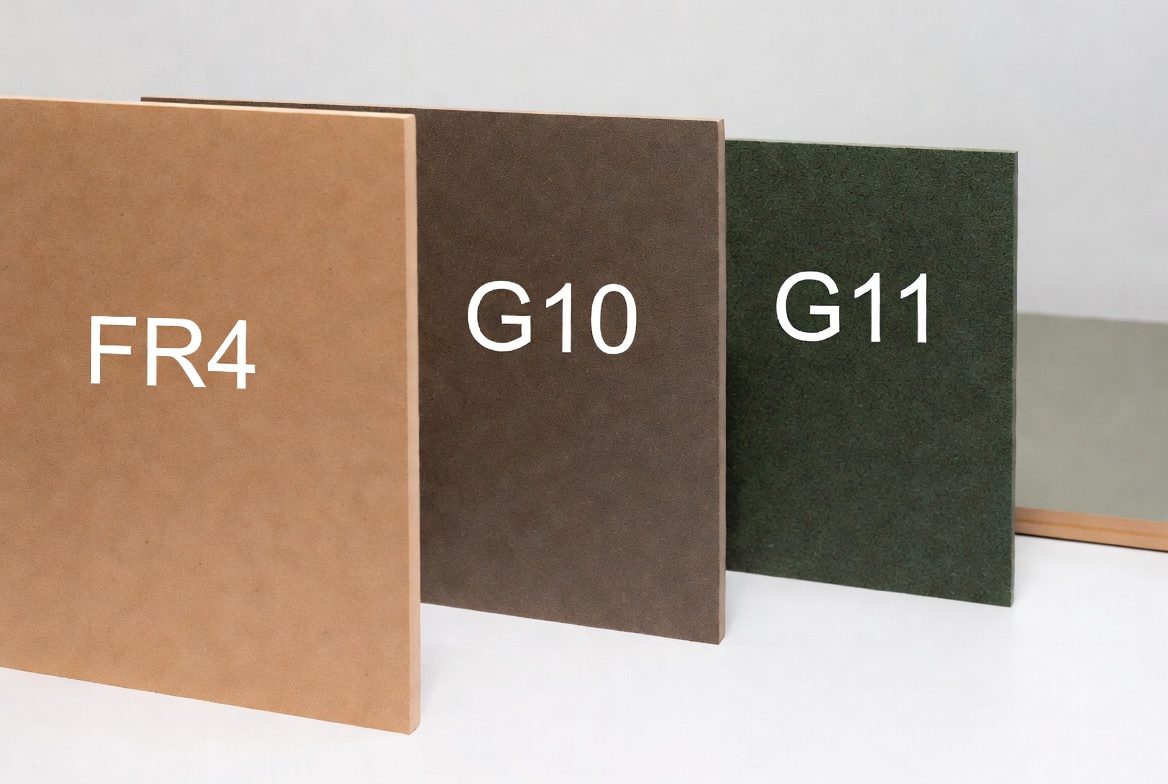
Different fiberglass sheet grades are made for different performance needs. If you are choosing material for industrial or electrical use, the grade matters more than the generic label.
| Material | Typical Strength | Heat Resistance | Flame Behavior | Common Use |
|---|---|---|---|---|
| FR4 | High | Good | Flame-retardant formulation | Electronics, insulation parts, PCB-related applications |
| G10 | High | Good | Not usually flame-retardant | Mechanical parts, fixtures, structural insulation |
| G11 | Very high | Better at elevated temperature | Not usually flame-retardant | High-heat electrical and mechanical applications |
FR4 is often selected when flame-retardant performance is important. G10 and G11 are often chosen when mechanical strength, dimensional stability, and insulation are the main priorities. For buyers in demanding industrial environments, the best choice depends on whether the application needs flame behavior, thermal endurance, or structural performance.
In real-world industrial conditions, heat does not always mean open flame. More often, fiberglass sheet is exposed to hot air, radiant heat, friction, sparks, or short-term thermal spikes. That is where composite behavior becomes especially important.
A high-quality fiberglass sheet may:
- Retain shape under elevated temperatures.
- Maintain electrical insulation longer than many polymer materials.
- Resist deformation better than conventional plastics.
- Char instead of dripping when exposed to fire.
That said, heat resistance is not unlimited. If the temperature is high enough or exposure lasts long enough, even advanced fiberglass laminates will degrade. This is why engineers often specify material by temperature range, flame response, and load condition instead of using a single "burns or not" judgment.
Fiberglass sheet is used in many places where heat and safety are both critical. In electrical systems, it helps isolate components and reduce risk. In machinery and mold manufacturing, it supports precision parts that must stay stable under stress. In industrial equipment, it offers insulation and structural reinforcement.
Typical applications include:
- Electrical insulation plates and spacers.
- Machine components and support parts.
- Mold fixtures and tooling bases.
- Industrial equipment housings.
- Structural parts requiring strength and dielectric performance.
For these uses, the important question is not just whether the sheet burns. The real question is whether it keeps its function long enough under heat, load, and operating stress.
Selecting the correct fiberglass sheet starts with your application environment. If your part will face electrical load, moderate heat, or repeated mechanical stress, the resin and grade should be matched carefully.
Use this simple selection logic:
1. Define the operating temperature.
2. Identify whether flame resistance is required.
3. Check electrical insulation needs.
4. Confirm mechanical load and machining requirements.
5. Ask for test data, not only product labels.
If your application includes heat exposure and safety concerns, FR4 is often the first option to review. If you need stronger structural performance, G10 or G11 may be more suitable depending on the temperature range and working conditions.
A reliable industrial fiberglass sheet should be evaluated with a technical checklist, not just visual inspection. Based on industry practice, buyers should confirm the following before placing an order:
- Surface quality is uniform, with no bubbles or delamination.
- Thickness tolerance is stable across the board.
- Electrical and mechanical test data are available.
- Machining quality supports cutting, drilling, and finishing.
- The supplier can provide consistent batch production.
- The material grade matches the end-use environment.
For export-focused projects, documentation matters as much as performance. Buyers often want clearer technical data, stable supply, and customization support, especially when the product will be used in demanding industrial systems.
One common misunderstanding is that "fiberglass" always means the same thing. In reality, fiberglass sheet products can vary widely depending on the resin system, reinforcement style, and production process. Another mistake is assuming that because the fiber does not burn, the full board cannot be affected by fire.
The safer way to think about it is this: fiberglass sheet is a high-performance composite, not a pure mineral product. Its fire response is shaped by both inorganic fiber and organic resin. That is why the same material can be excellent for insulation yet still require engineering review for high-temperature or flame-critical use.
For industrial buyers, material consistency is just as important as headline performance. A well-made fiberglass sheet should have stable thickness, reliable lamination, and repeatable properties from batch to batch. Poor curing, uneven resin distribution, or weak edge finishing can reduce performance even if the base formulation is good.
This is especially important for customized cutting and precision machining. When the board is used in electrical equipment or industrial fixtures, small quality differences can affect assembly accuracy, insulation reliability, and service life.
So, does fiberglass sheet burn? In strict terms, the glass fiber does not burn, but the complete sheet can still char, smoke, soften, or fail if the resin system is exposed to enough heat. The safest and most practical view is that fiberglass sheet is heat-resistant and often flame-resistant, but its exact performance depends on the grade and manufacturing quality.
If you are choosing material for an electrical, mechanical, or industrial application, focus on the full specification: resin type, temperature range, insulation performance, mechanical strength, and flame behavior. That is the best way to select a fiberglass sheet that performs reliably in the field.
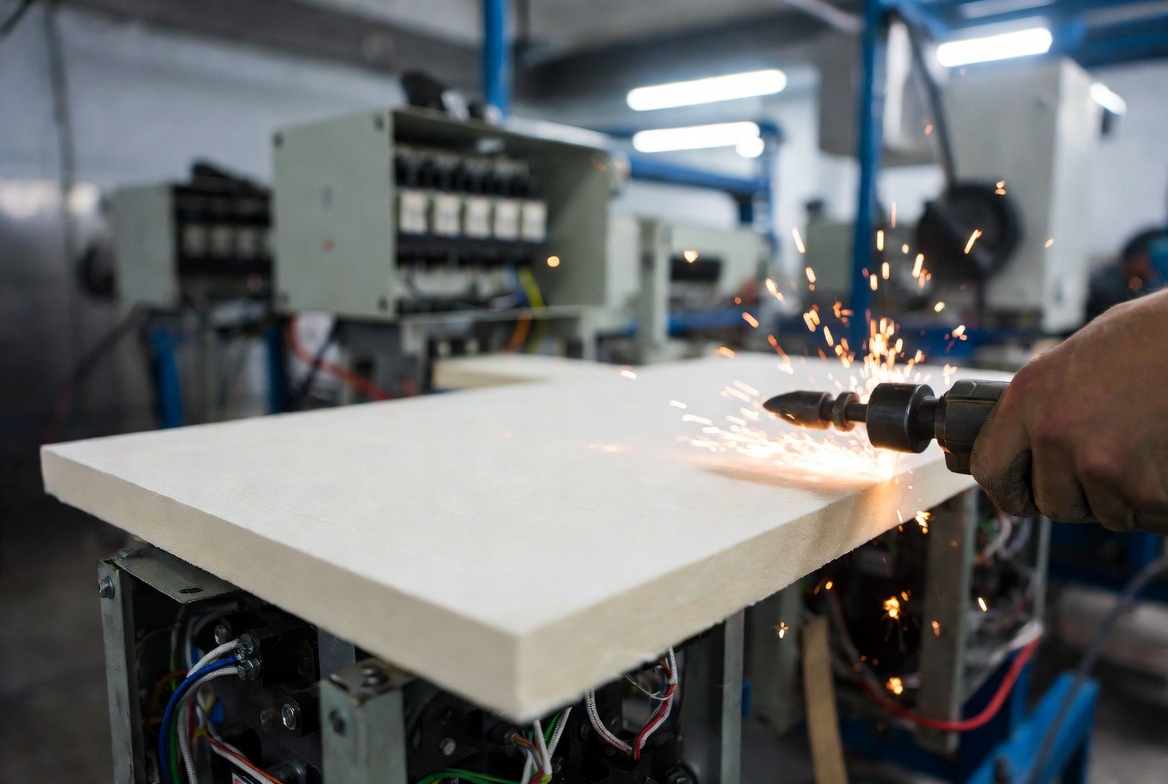
Fiberglass sheet itself does not ignite easily because the glass fiber is inorganic, but the resin can degrade or char under high heat.
FR4 is usually the better choice when flame-retardant performance is required, while G10 is often selected for strength and insulation.
The glass fiber can soften or melt only at very high temperatures, but in practical use the resin usually degrades first.
Yes, fiberglass sheet is widely used for electrical insulation because it offers strong dielectric performance and dimensional stability.
Choose FR4 for flame-retardant needs, G10 for strong general-purpose insulation, and G11 for higher-temperature mechanical and electrical applications.
1. [Newtex — What Makes Fiberglass Fabric Ideal for Heat and Fire Protection?]
2. [Fiberglass Warehouse — Common Mistakes when Working with Fiberglass and Resin]
3. [JingHong — What is the fire resistance of 3240 epoxy sheet?]
4. [Current Inc — G-10/FR4 industrial laminates]


