

Views: 262 Author: Weishi Sheets Publish Time: 2026-08-05 Origin: Site
Content Menu
● Where Processing Usually Goes Wrong
● Process Control That Improves Results
● A Better Production Workflow
● When to Choose G11 Over G10 or FR4
● What Weishi Should Emphasize
● FAQ
>> 1. What is the best tool for cutting G11 sheet?
>> 2. Can G11 be drilled like metal?
>> 3. Why does G11 sometimes chip at the edge?
>> 5. Should I tap threads directly into G11?
>> 6. What temperature should be avoided during machining?
G11 epoxy glass laminate sheet is a high-performance insulation material that demands the right tools, the right cutting strategy, and the right thermal control. If you want clean edges, stable dimensions, and reliable electrical performance, the processing method matters as much as the material itself.
G11 is made from alkali-free E-glass fabric impregnated with epoxy resin and cured under heat and pressure, which gives it strong mechanical and electrical insulation properties at elevated temperatures. Compared with G10 and FR4, G11 is better suited to hotter operating environments, with multiple sources indicating continuous service capability around 180°C for the higher-temperature grade.
That higher heat resistance is the main reason G11 is used in transformer parts, electrical fixtures, high-temperature supports, and industrial insulation components. In practical terms, G11 is often chosen when a standard glass epoxy sheet would begin to lose stability, stiffness, or electrical reliability under heat.
The most common mistake is treating G11 like ordinary plastic or wood-based board. Thermoset laminates are abrasive, generate dust, and can distort if the work overheats, so poor tooling or aggressive feed rates can quickly ruin the part.
Another frequent issue is choosing a process that creates edge chipping, layer splitting, or dimensional drift. This is especially risky in holes, slots, threaded features, and thin-wall parts where internal stress can show up after machining.
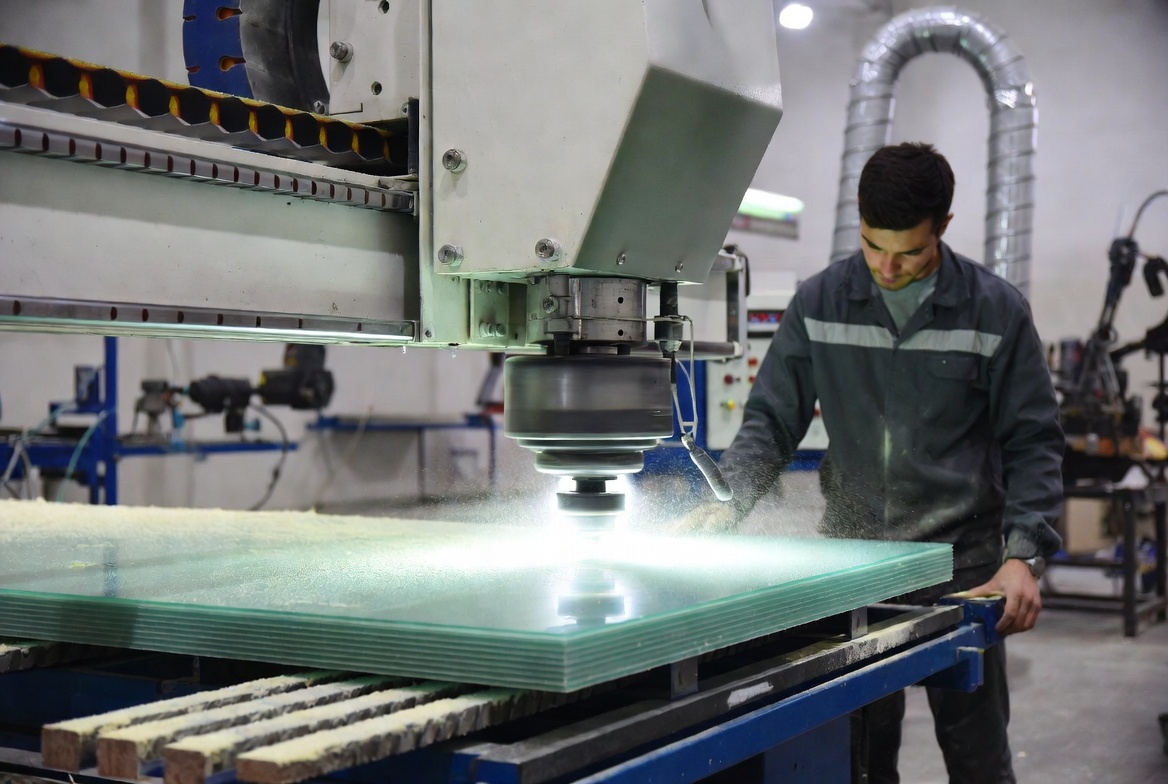
For straight cuts, use a sharp carbide-tipped circular saw or an equivalent composite-grade blade. Keep the blade projection as small as possible, feed steadily, and avoid forcing the cut.
For smoother edges, use fine-tooth tooling and prioritize controlled feed over speed. If the cut begins to burn, glaze, or smell hot, reduce heat immediately because excessive temperature can distort the laminate.
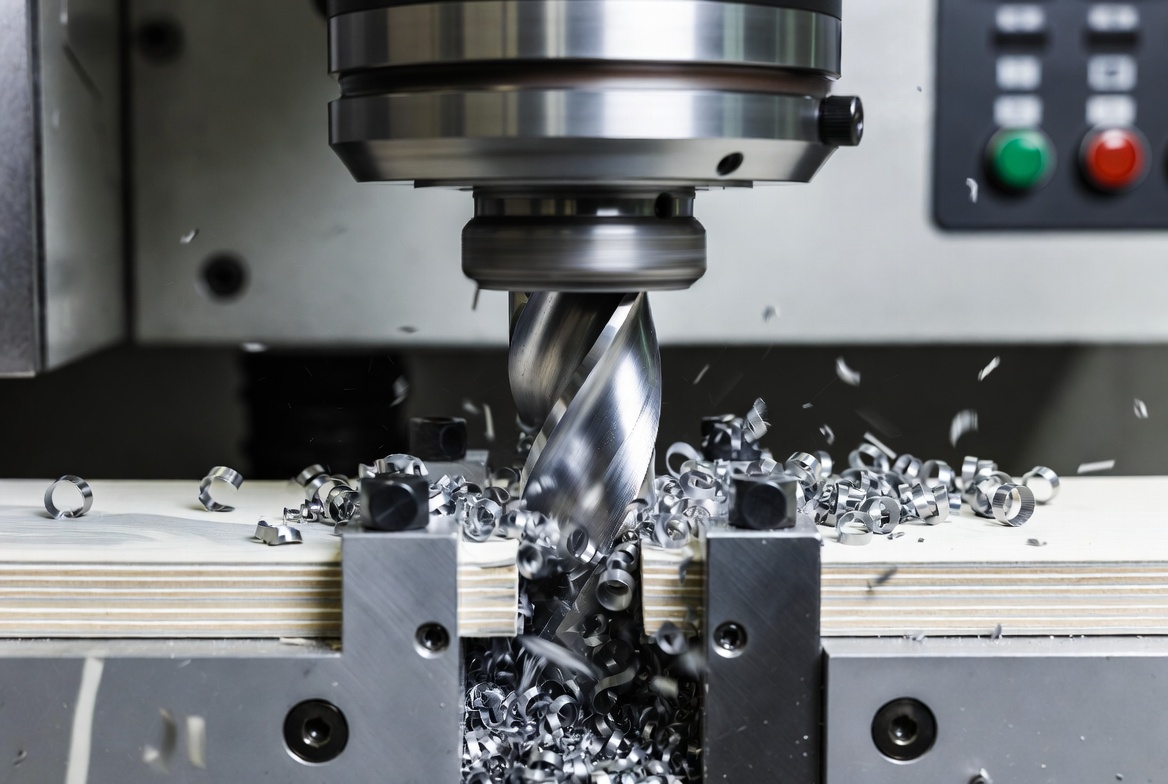
Milling works well when the cutter is sharp and the machine is stable. Down milling is generally safer for glass-based laminates because up milling can encourage delamination at the edge.
Use carbide tooling for better wear resistance and cleaner surfaces. Keep passes light, especially on corners and internal pockets, because heavy engagement can chip the glass reinforcement and create microcracks.
Drilling is one of the most important operations in G11 processing, and it requires discipline. Use a sharp carbide drill, clamp the work securely, back up the exit side, and peck the hole to remove chips and heat.
Hole size on laminate may finish slightly undersized, so tolerance planning matters. For precision assemblies, always test drill behavior on a sample piece before starting production.
Threads can be cut in G11, but the work should stay cool and the tools must be kept sharp. Oversized taps are often recommended because thermoset materials can cut tight and create binding when the tap is withdrawn.
For repeated threaded use, metal inserts are usually a better long-term choice than cutting threads directly into the laminate. That improves durability and reduces the risk of stripped holes in service.
| Process | Best Tool Choice | Key Practice |
|---|---|---|
| Cutting | Carbide-tipped saw blade | Minimize heat and blade wander. |
| Milling | Sharp carbide end mill | Use light passes and down milling. |
| Drilling | Carbide drill | Peck often and support the exit side. |
| Tapping | Oversized sharp tap | Keep the thread clean and avoid binding. |
This table reflects the practical machining guidance verified in the machining reference and is useful as a shop-floor starting point.
The most important control factor is temperature. Machining guidance for glass epoxy laminates warns operators to keep workpiece temperature below 150°C to avoid distortion.
Dust control is also essential because glass reinforcement creates fine abrasive particles. A strong extraction system not only protects operators but also helps keep chips out of the cut, which improves finish and tool life.
Tool sharpness matters more than operator strength. When the tool starts rubbing instead of cutting, surface quality drops quickly and edge damage rises.
1. Confirm the end-use requirement, including temperature, electrical load, thickness, and tolerance.
2. Match the machining method to the part geometry before cutting the first sheet.
3. Run a sample piece and inspect hole quality, edge condition, and flatness.
4. Adjust feed, speed, and support fixtures before batch production.
5. Clean the part thoroughly and verify final dimensions after cooling.
This workflow reduces scrap and is especially useful for export projects, transformer components, and custom insulation parts where consistency matters more than raw cutting speed.
G11 is the better choice when high temperature resistance and stable insulation performance are the priority. G10 is often acceptable for standard industrial use, while FR4 is generally selected when flame-retardant behavior is required in electronics-focused applications.
| Material | Main Strength | Typical Use Case |
|---|---|---|
| FR4 | Flame-retardant insulation | Electronic boards and general electrical parts. |
| G10 | Strong mechanical performance | Standard insulation fixtures and structural parts. |
| G11 | Higher heat resistance and strength retention | Transformer parts, hot-zone insulation, and industrial supports. |
If the part will face continuous heat, thermal cycling, or high mechanical load in a hot environment, G11 is usually the safer engineering choice.
G11 is widely used in electrical equipment, transformer structures, high-voltage systems, and precision fixtures because it combines insulation strength with elevated-temperature stability. Verified product and application sources also note use in circuit board holders, terminal boards, end plates, test fixtures, and underwater or aerospace-related insulation components.
That broad application range is a reminder that G11 is not only an electrical material. It is also a structural composite that can support shape, load, and insulation in the same part when processed correctly.
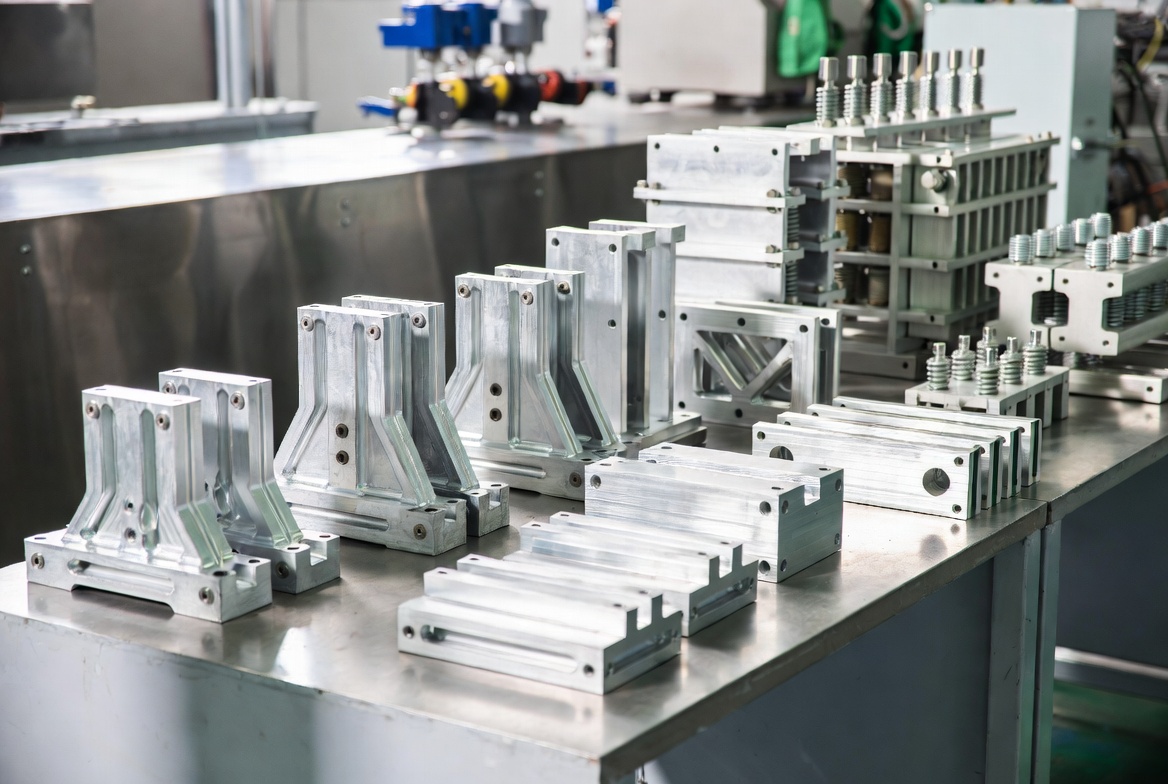
For Guangdong Weishi New Materials Co., Ltd., the strongest article angle is not just "what G11 is," but how to process it reliably for real industrial use. Your brand can stand out by stressing stable quality, advanced production, custom machining support, and export-ready application guidance for electronics, electrical equipment, machinery, mold making, and industrial systems.
The article should also position your factory as a practical partner that helps customers reduce machining risk, control quality, and choose the right thickness, cut format, and finish for each job. That makes the content more persuasive than a generic product explainer.
Before ordering G11 sheet for machining, confirm these points:
- Thickness tolerance.
- Flatness requirement.
- Hole and slot tolerance.
- Operating temperature.
- Electrical insulation requirement.
- Whether the part needs flame resistance.
- Whether the part will be drilled, milled, tapped, or CNC machined.
A clear checklist reduces back-and-forth between buyer, engineer, and supplier, which is especially useful for custom insulation parts and export orders.
The best way to process G11 epoxy glass laminate sheet is to combine sharp carbide tooling, controlled heat, light cutting passes, strong dust extraction, and proper support for drilling and milling. When the work is planned carefully, G11 delivers the high-temperature strength and insulation performance that demanding industrial applications require.
A sharp carbide-tipped saw or composite-grade cutting tool is usually the best choice because it handles the abrasiveness of glass epoxy more effectively than ordinary blades.
Yes, but it should be drilled dry or with careful cooling strategy, using sharp carbide drills, light feed, and chip evacuation to prevent heat buildup and edge damage.
Edge chipping usually comes from dull tools, weak workholding, aggressive feed, or unsupported exits during drilling and milling.
G11 is better when higher temperature resistance and stronger property retention under heat are required, while FR4 is typically used when flame retardancy is the key need.
You can, but inserts are often better for repeated fastening because they improve durability and reduce the risk of thread wear or stripping.
Machining guidance warns operators to keep the workpiece below 150°C to reduce distortion risk.
1. [Guangdong Weishi New Materials Co., Ltd. – G10, G11, EPGC308/203/204 product introduction] [xjdg.com]
2. [Scribd – Epoxy Glass Fabric Laminated G11] [scribd]
3. [SIDA – G10 vs G11 Glass-Reinforced Epoxy Laminates Comparison Guide] [sidanm]
4. [Atlas Fibre – G-11 High Temperature Glass Epoxy Laminate] [atlasfibre]
5. [Practical Machinist – Machining Glass Epoxy (G-10, G-11, FR4, etc.) and Phenolic] [practicalmachinist]
6. [Tencent News – Electronic resin industry analysis] [news.qq]


